Regulating Commercial Cannabis
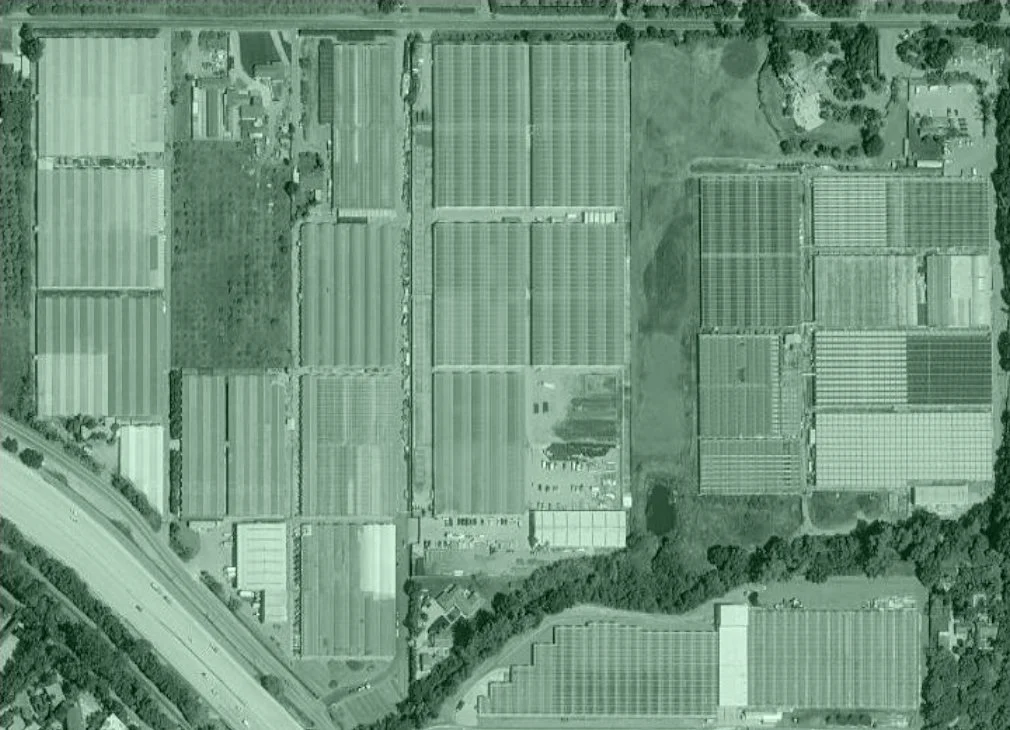
Local Land Use Regulation of Commercial Cannabis Cultivation
As a full-time member of an interdisciplinary research team at the University of California, Berkeley Institute of Urban and Regional Development, I contributed to a novel study funded by the California Department of Cannabis Control investigating local land use and environmental regulatory systems for commercial cannabis cultivation in selected California counties.
Weedscapes: When Commercial Cannabis is Your Neighbor, URB. MAG., COLUMB. UNIV. GRADUATE SCH. OF ARCHITECTURE, PLAN. & PRES. at 10 (2023).
California became the first American state to legalize medical use cannabis in 1996 through ballot initiative, doing so without benefit of a comprehensive, statewide regulatory framework and setting off a two- decade cannabis industry free-for-all known as the Green Rush. Not until 2018 did California finally establish such a system for both medical- and recreational-use cannabis, finally positioning local governments to directly regulate cannabis-related activities through their zoning and other police powers.
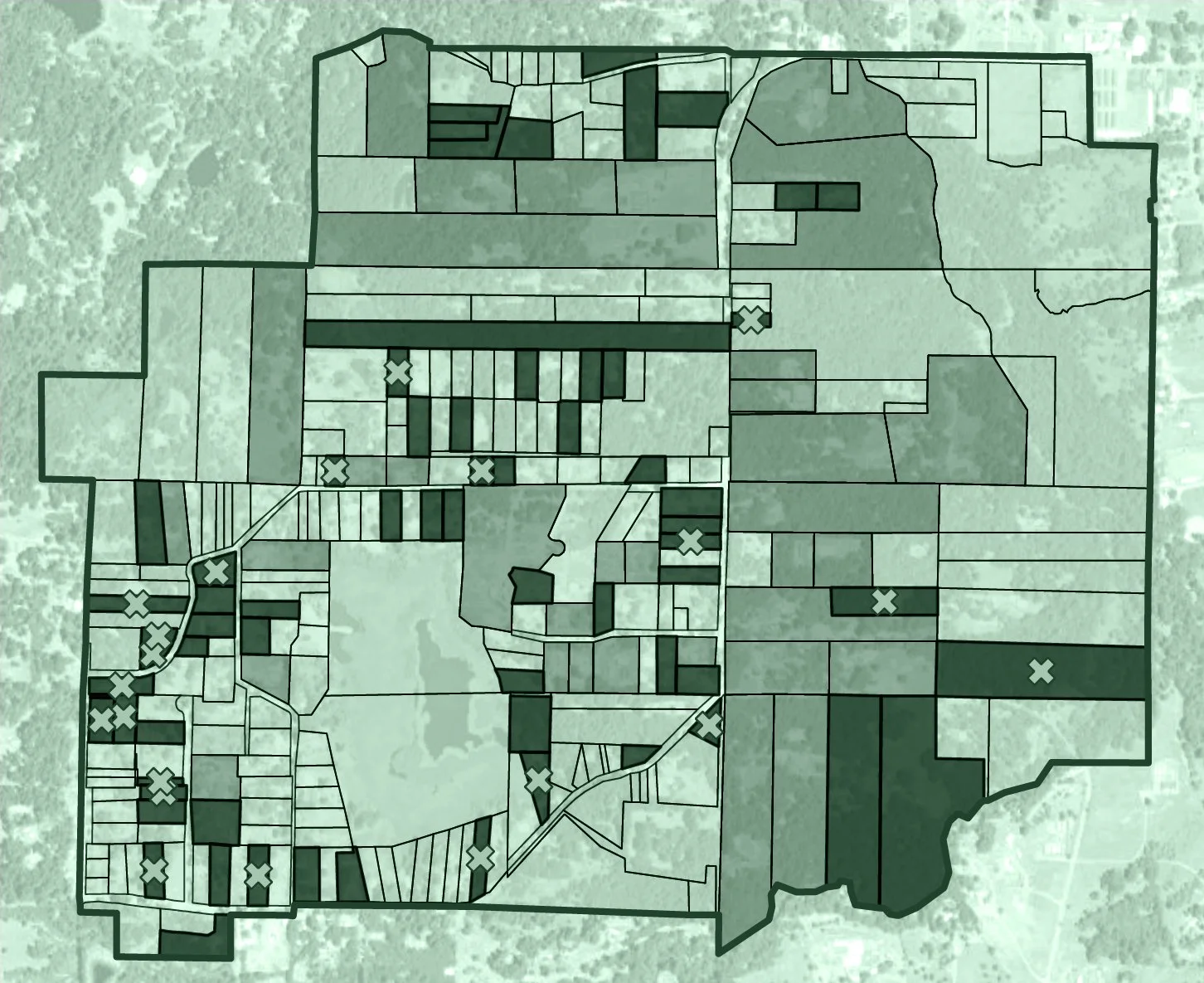
Recognizing the fundamental socioeconomic role cannabis cultivation plays for its communities, legacy growing jurisdictions drafted their local regulations to include special accommodations for pre-existing cultivators. In the ordinances it adopted starting in 2018, Mendocino County created a unique zoning mechanism allowing for the establishment of Cannabis Accommodation Combining Districts. Through a process functionally equivalent to a rezoning, neighborhoods with legacy cannabis cultivation could petition to have the special district overlaid on contiguous parcels of consenting property owners The combining district relaxed to 20 feet the otherwise required 100- foot setbacks between cannabis grows and residential structures on separate parcels and the 50-foot setbacks from property lines; with a discretionary land use permit, the property line setback could be absolved altogether. The County enacted four such districts in December 2018, thereby creating neighborhoods where commercial cannabis cultivation could remain uniquely integrated into the local landscape.
Having spent a disquieting amount of time researching local cannabis land use regulations, I find this whole situation rather intriguing. So, using Geographic Information Systems (GIS) -based methods, I set out to investigate: what would be the impact onto legacy cannabis cultivation in these combining districts if not for these special accommodations?
See the this issue of URBAN Mag here.
Pot Zoning: Planning for Cannabis Cultivation as a Land Use in California’s Emerald Triangle
Despite ongoing federal prohibition, American states continue to legalize the cultivation, processing, distribution, and possession of cannabis for both medical and recreational purposes. State-level frameworks for legalization vary greatly across the nation, including whether counties and municipalities are authorized to use their zoning and other police powers to regulate cannabis-related uses within their jurisdictions. In California—where medical marijuana has been legal since 1996 and recreational cannabis since 2016—localities are granted such authority, placing planners on the frontlines for devising land use schemes for a once prohibited activity and doing so with little guidance from higher levels of government. Cannabis cultivation has a storied history in California’s Humboldt County, where it is a multibillion-dollar industry with well-documented environmental impacts. This study deploys a qualitative, multiple-case study research design to better understand how Humboldt County and three of its incorporated cities have used their zoning and land use authority under state law to regulate cannabis cultivation not only for neighborhood impacts or environmental concerns but also for other components of public health, safety, and welfare. The study reveals the innovative planning interventions these jurisdiction have deployed, which not only reflect local goals pertaining to the ever-evolving cannabis industry but also local considerations of equitable economic development.
Click here to view the full thesis.